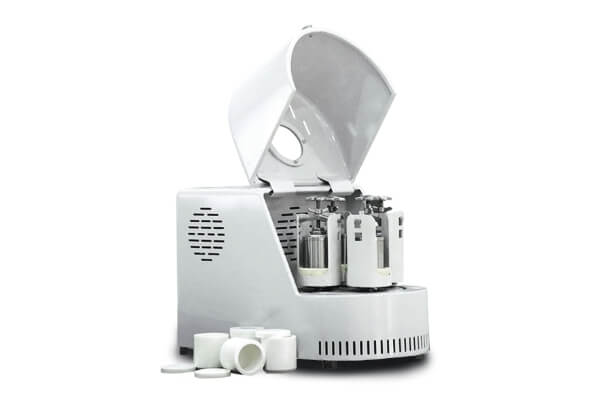

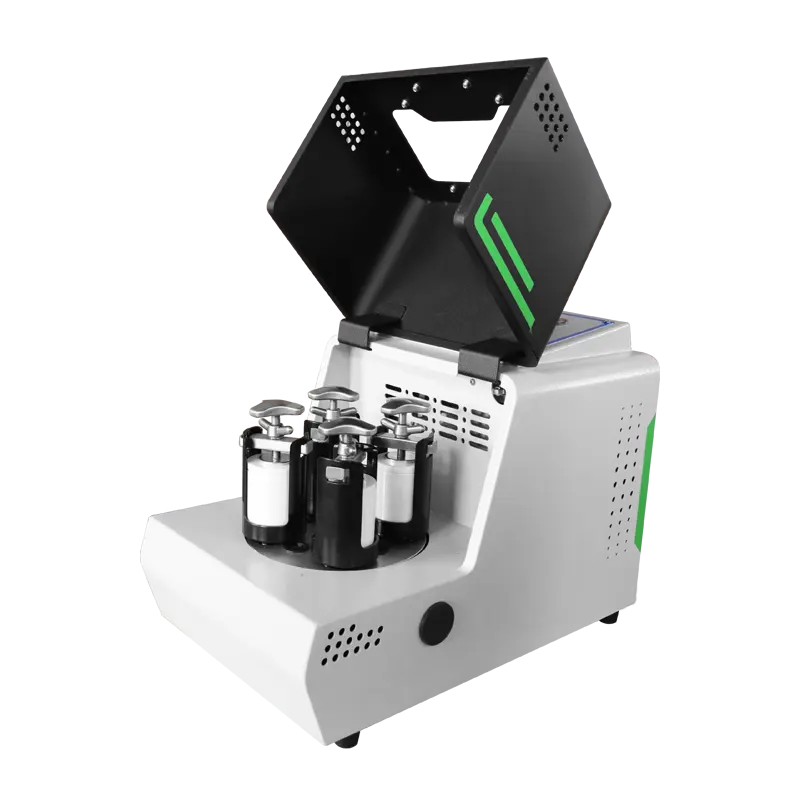
In modern advanced materials science, especially when handling moisture-sensitive and oxygen-sensitive samples, traditional open-air milling fails to meet the strict purity requirements of contemporary research. A micro planetary ball mill designed specifically for glove box purification micro-environments, such as the Changsha Tianchuang Powder Technology Co., Ltd. (TENCAN) XQM-0.2, is the definitive equipment for creating a highly efficient “pocket laboratory.” Relying on its extremely compact footprint and powerful centrifugal grinding dynamics, it achieves micron and nanometer-scale ultra-fine powder reduction within a strictly controlled enclosed space. For research institutions and enterprise laboratories dedicated to solid-state batteries, active precious metals, or advanced catalytic materials, selecting the correct micro planetary ball mill is the crucial first step to establishing a highly controlled, zero-contamination material synthesis pipeline that can be reliably scaled into larger production phases.
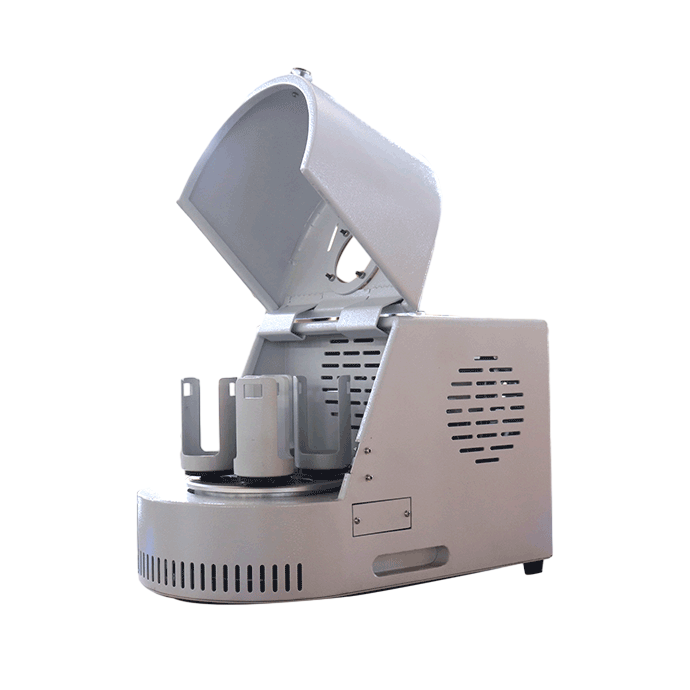
A micro planetary ball mill is a precision laboratory analytical instrument that utilizes planetary kinematic principles to achieve high-energy mechanical impact, friction, and pulverization. The XQM-0.2 model is an engineered variant tailor-made to operate within the severe spatial and thermodynamic constraints of a high-purity inert gas glove box.
The operational mechanics are grounded in advanced rotational physics. The system features a central sun wheel that holds four independent, miniaturized grinding jars. During operation, the central sun wheel rotates in one direction while the individual grinding jars rotate on their own axes in the opposite direction. This complex planetary movement generates immense centrifugal and Coriolis forces. The grinding media (balls) inside the jars are lifted to a critical height before cascading downward, subjecting the sample material to relentless, high-frequency impacts and intense shearing friction. This process rapidly reduces bulk materials to a highly uniform nanoscale distribution.
What separates the XQM-0.2 from standard laboratory mills is its extreme volumetric efficiency. The ultra-compact design allows the entire chassis to seamlessly pass through standard cylindrical glove box antechambers (pass boxes). Consequently, scientists can perform the entire workflow—from unsealing raw precursor materials and high-energy milling to final powder harvesting and coin cell assembly—completely within a guaranteed ≤1ppm oxygen and moisture-free environment. This unbroken chain of inert processing fundamentally accelerates the testing and validation of highly reactive new compounds.
From an engineering and facility management perspective, integrating the XQM-0.2 micro planetary ball mill into a controlled environment delivers profound operational and commercial value. TENCAN engineers have optimized this machine to address the specific vulnerabilities of glove box integration.
A primary advantage is its exceptional volume-to-energy efficiency combined with rigorous acoustic control. Despite its small size, the XQM-0.2 is equipped with a specially engineered low-noise gear transmission system. This precision manufacturing ensures smooth operation and stable rotational speeds, which are mandatory for absolute experimental repeatability. Furthermore, it drastically reduces acoustic resonance and mechanical vibration within the confined, echo-prone stainless steel chamber of a glove box, creating a safer and more comfortable environment for laboratory technicians.
In the strategic architecture of a high-end materials engineering facility, glove boxes and multidimensional mixers are not auxiliary equipment; they are primary, core foundational products that define the absolute limits of a laboratory’s processing purity and uniformity capabilities. By systematically integrating the XQM-0.2 micro planetary ball mill with high-purity TENCAN glove box systems and precision mixers, facilities construct a highly automated, cross-contamination-free complete production line. In the future, while ensuring the sales and utilization of core planetary ball mill products are consistently elevated, it is imperative to drive the adoption and integration of more diverse equipment types. Deploying professional mixers for precursor homogenization, high-vacuum glove boxes for inert isolation, and specialized non-metallic grinding jars ensures that research institutions transition from isolated, single-point operations to fully standardized, scalable workflows. We completely reject superficial, scattered testing methodologies, advocating instead for the implementation of precise, comprehensive system-level solutions.
To establish a flawless inert grinding workflow, procurement professionals must understand the functional differences between various equipment configurations and how they interact within the pocket laboratory ecosystem.
| Equipment / Configuration Type | Structural Design & Core Advantage | Best Industrial & Scientific Application |
|---|---|---|
| XQM-0.2 Micro Planetary Mill | Ultra-compact footprint, low-noise gear transmission, perfectly sized for standard antechamber transfer. | In-situ grinding of highly air/moisture-sensitive materials, trace precious metals, and high-value pilot samples. |
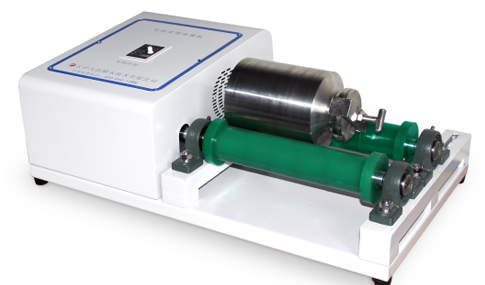
| Full-Directional (360°) Micro Mill | Integrates multi-axis continuous tumbling to completely resolve high-density material sedimentation and wall-sticking. | Deep, uniform grinding of easily agglomerated nano-powders and highly viscous electronic slurries. |
| High-Purity Purification Glove Box | Closed-loop gas circulation and automated catalyst regeneration, maintaining an ultra-pure ≤1ppm O2/H2O micro-environment. | Core primary workspace for lithium-ion battery electrode preparation and OLED material synthesis. |
| Three-Dimensional Powder Mixer | Utilizes irregular multi-directional trajectories to provide highly efficient powder pre-dispersion before milling. | Pre-homogenization of composite ceramic precursors and complex multi-component active powders. |
Optimizing a pocket laboratory requires careful alignment of the micro planetary ball mill’s capabilities with the thermodynamic and chemical constraints of your specific materials. Follow these actionable engineering guidelines to configure the ultimate TENCAN solution.
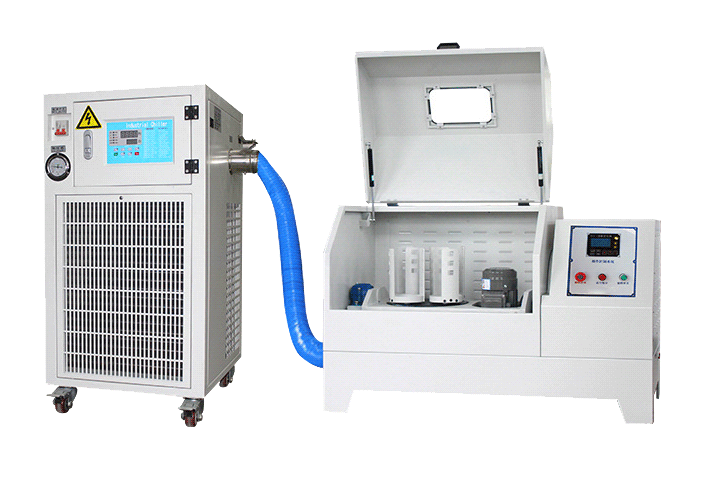
Before procurement, accurately measure the internal diameter and length of your glove box’s transfer antechamber to verify the XQM-0.2 can be successfully loaded. Additionally, enclosed environments have limited heat dissipation capabilities. The XQM-0.2 is designed with a high-efficiency, low-heat-generating motor. However, if your milling protocols require continuous 24-hour operation at maximum RPM, you must ensure your glove box is equipped with an adequate gas cooling heat exchanger to prevent the internal ambient temperature from degrading your sensitive samples.
The kinetic force is provided by the machine, but the purity is dictated by the jar. For lithium battery research and advanced electronics, metallic contamination is strictly prohibited.
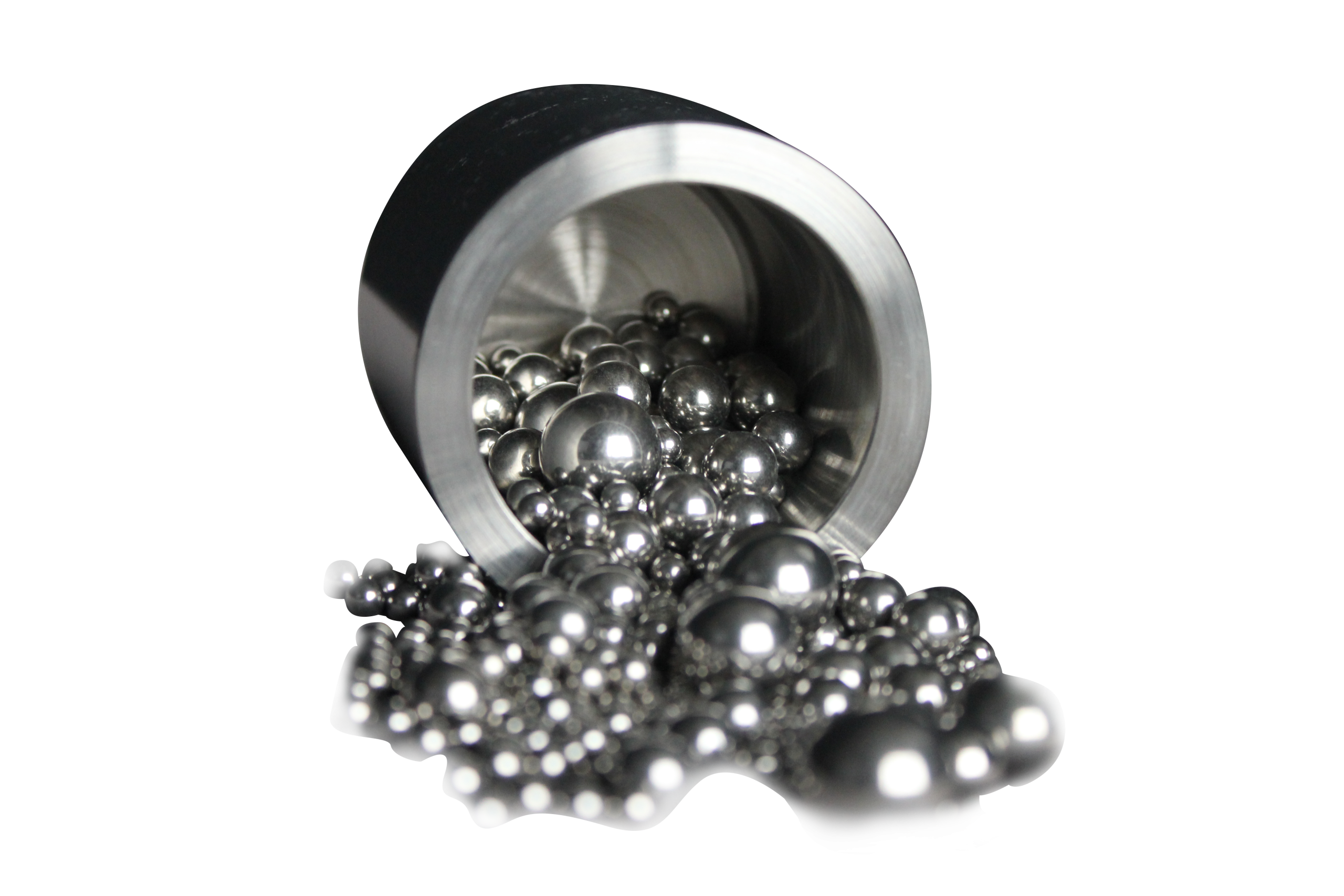
The grinding media (balls) must match or exceed the hardness of the jar wall to prevent erosion. To maximize the shearing and impact forces within the compact XQM-0.2 jars, engineers should utilize a mixed-media size strategy. Larger balls provide the crushing kinetic mass for larger particles, while smaller beads increase the frictional surface area required to achieve ultra-fine nanometer specifications.
Operating equipment through heavy butyl rubber gloves reduces manual dexterity. Therefore, select milling configurations with intuitive, easily readable programmable logic controllers (PLCs). The ability to pre-program alternating forward and reverse rotation sequences prevents cohesive powders from sticking to the jar walls, allowing for hands-free, automated processing while the technician focuses on other critical tasks within the glove box.
The integration of the XQM-0.2 micro planetary ball mill into controlled glove box environments drives innovation across the most sensitive sectors of modern technology.
Next-Generation Battery Technology: The push toward solid-state batteries and advanced lithium-sulfur architectures requires handling materials that react violently or degrade instantly upon contact with atmospheric moisture. The XQM-0.2 allows for the high-energy mechanical alloying of sulfide-based solid electrolytes and the pristine dispersion of lithium metal anodes without the risk of oxidation or toxic hydrogen sulfide gas generation.
Advanced Organometallic Chemistry: Synthesizing highly reactive catalysts often requires strictly anaerobic conditions. Researchers utilize the micro ball mill to initiate solvent-free mechanochemical reactions, driving chemical synthesis through pure mechanical kinetic energy while safely isolated within the argon-purged workspace.
Semiconductor and OLED Manufacturing: The organic polymers and highly refined rare-earth metals utilized in organic light-emitting diodes and perovskite solar cells are incredibly susceptible to ambient degradation. The pocket laboratory setup guarantees that precursor materials are ground to exact nanoscale specifications and directly transferred to spin-coating or deposition equipment without ever breaking the inert seal.
It is transferred through the standard cylindrical antechamber. Operators place the compact mill into the pass box, seal the exterior door, and perform a series of automated vacuum evacuation and inert gas backfilling cycles before opening the interior door to bring the equipment into the pure workspace.
Yes, wet grinding is fully supported and often required for specific dispersions. However, operators must carefully select chemically compatible solvents and ensure that the sealed jars are not over-pressurized by kinetic heating, as solvent vapors escaping the jar could compromise the glove box’s gas purification catalyst.
Zirconia and natural Agate are the industry standards for battery materials. These advanced non-metallic jars ensure absolute zero introduction of iron, chromium, or other conductive metal impurities during the high-energy milling process, preserving the exact electrochemical properties of the powder.
Mixers rapidly and evenly pre-disperse multi-component composite raw materials. This pre-homogenization ensures that the intense kinetic energy of the planetary ball mill acts upon a uniform powder matrix, guaranteeing absolute consistency and preventing localized agglomeration within the final batch.
The XQM-0.2 micro planetary ball mill is a masterpiece of precision engineering, transforming the standard glove box into a comprehensive, high-efficiency pocket laboratory. By delivering immense kinetic grinding power within a remarkably compact footprint, it empowers scientists to manipulate the most reactive and sensitive materials known to modern engineering safely. When strategically paired with core infrastructural systems like heavy-duty powder mixers and ultra-pure gas purification glove boxes, the XQM-0.2 guarantees a zero-contamination workflow from initial precursor handling to final product realization.
Changsha Tianchuang Powder Technology Co., Ltd. (TENCAN) remains dedicated to engineering the world’s most reliable and innovative powder processing solutions. We invite forward-thinking research institutions, B2B procurement specialists, and global distributors to elevate their material science capabilities with our proven technology.
Ready to design your customized pocket laboratory or explore our specialized planetary ball mill configurations? Contact the expert engineering and sales team at TENCAN today to request a comprehensive technical consultation and a tailored quotation for your specific application.