Introduction: The Unsung Hero of Particle Processing
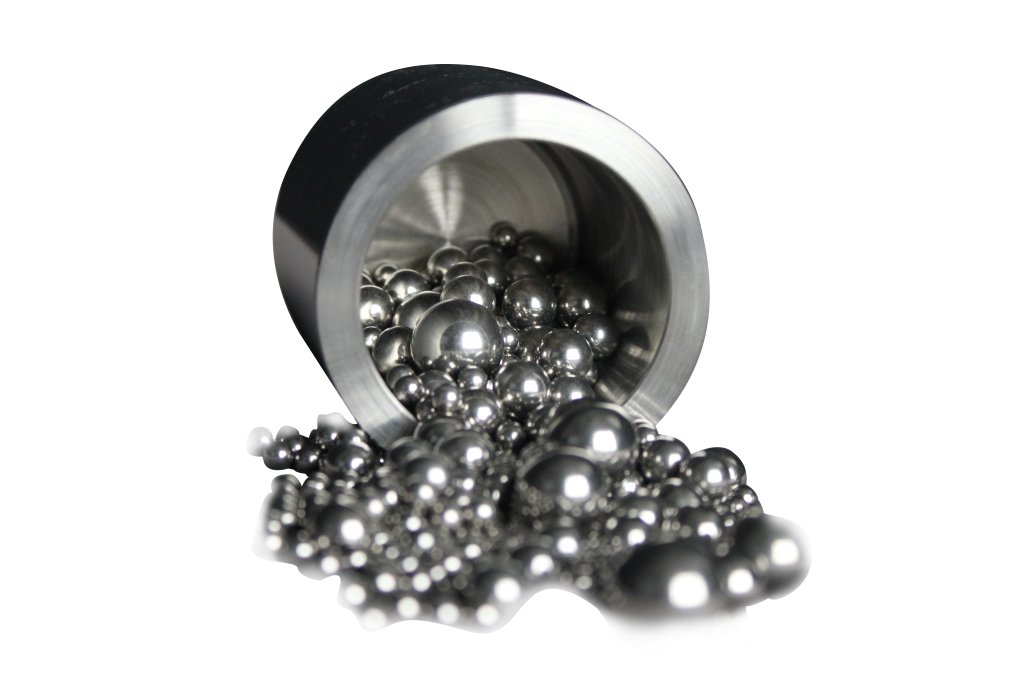
Behind every advanced battery, pharmaceutical tablet, and high-performance ceramic lies a critical yet often overlooked component: grinding media. These seemingly simple balls, beads, and pebbles are the workhorses of ball mills, planetary mills, and stirred media mills, responsible for the particle size reduction that enables modern manufacturing .
The global grinding media market is experiencing significant transformation, valued at USD 6.46 billion in 2024 and projected to reach USD 9.81 billion by 2032, growing at a compound annual growth rate (CAGR) of 5.36% . This growth reflects fundamental shifts in end-user industries, materials science advancements, and evolving supply chain dynamics that are reshaping how manufacturers and research laboratories approach particle size reduction.
This industry news report examines the current state of the grinding media market, emerging technological trends, regional dynamics, and expert recommendations for optimizing media selection in an increasingly demanding processing environment.
Market Overview: Steady Growth Across Segments
The grinding media market encompasses a diverse range of materials, forms, and applications. According to recent market analysis, the forged steel grinding media segment alone was valued at USD 3.715 billion in 2025 and is anticipated to reach USD 4.617 billion by 2032, with a CAGR of 3.2% .
Key Market Drivers
Several factors are propelling market expansion:
-
Mining and Mineral Processing: The mining sector remains the largest consumer of grinding media, particularly forged and high-chrome cast steel balls used in SAG and ball mills for ore size reduction .
-
Battery Materials Manufacturing: The rapidly growing lithium-ion battery industry demands ultra-fine grinding of cathode and anode materials, driving adoption of high-purity ceramic media .
-
Pharmaceutical and Biotechnology Applications: Stringent purity requirements for active pharmaceutical ingredients (APIs) and drug delivery systems favor contamination-free ceramic and agate media .
-
Cement and Construction: Infrastructure development in emerging economies continues to drive demand for durable, cost-effective steel grinding media .
Material Innovation: The Steel vs. Ceramic Spectrum
The choice of grinding media material represents a fundamental trade-off between grinding efficiency, contamination risk, and cost. Industry experts emphasize that “selecting the right grinding media is as critical as choosing the mill itself” .
Steel Media: The Industrial Workhorse
Steel grinding balls remain the default choice for large-scale industrial applications due to their high density, impact resistance, and cost-effectiveness .
-
Forged Steel Balls: Manufactured by heating steel billets and shaping them under extreme pressure, forged balls offer superior impact resistance and very low breakage rates, making them ideal for high-impact SAG and ball mills in mining operations .
-
High-Chrome Cast Steel Balls: With chromium content typically ranging from 10-26%, these balls form extremely hard chromium carbide compounds within the steel matrix, providing excellent abrasion and corrosion resistance, especially in wet grinding environments .
-
Low-Chrome Cast Steel Balls: A more economical option for less demanding applications where the intense wear resistance of high-chrome alloys is not required .
Ceramic Media: Precision and Purity
Ceramic media are increasingly preferred for applications where product purity is paramount, including pharmaceuticals, electronics, and advanced materials .
-
Zirconia (Zirconium Oxide): Yttrium-stabilized zirconia (YSZ) represents the premium segment of ceramic media. It offers exceptional hardness, high density (comparable to steel), and ultra-low wear rates, making it the preferred choice for nano-grinding and wet milling applications . Industry sources note that zirconia balls are “a credible alternative to stainless steel media” due to their comparable performance and absence of rust .
-
Alumina (Aluminum Oxide): A versatile and cost-effective ceramic option offering good hardness and wear resistance. Alumina is widely used in ceramic processing, glaze preparation, and general contamination-sensitive milling .
-
Silicon Nitride and Carbide: Representing the high-performance end of the spectrum, these materials offer extreme hardness and thermal stability for specialized applications where other media fail to perform .
Natural Media: Traditional Solutions
Natural materials continue to serve niche applications:
-
Agate: A microcrystalline quartz prized for its chemical inertness and minimal contamination. Ideal for laboratory-scale milling of relatively soft materials where sample purity is the absolute priority .
-
Flint Pebbles: A low-cost, traditional grinding medium used for centuries. Suitable for applications where cost is the primary driver and slight silica contamination is acceptable .
Market Segmentation: Matching Media to Applications
Industry analysts emphasize that “rigorous segmentation is essential to translate technical nuance into procurement and application decisions” .
By Material Type
By Form and Geometry
The shape of grinding media significantly impacts milling dynamics :
-
Balls: The most common form, providing a balance of impact and attrition
-
Beads: Small spherical media for fine and ultra-fine grinding
-
Cylpebs: Cylindrical media offering different contact dynamics
-
Rods: Used in rod mills for coarse grinding applications
By Size Range
Media size selection directly influences grinding efficiency :
-
Large Media (>60 mm): For coarse grinding and breaking large particles
-
Medium Media (20-60 mm): General-purpose grinding
-
Small Media (<20 mm): Fine and ultra-fine grinding, increased surface area contact
Industry Trends Shaping the Market
1. Rising Demand for High-Purity Processing
The pharmaceutical, biotechnology, and electronics industries are driving demand for ceramic media that eliminate metallic contamination. Experts note that “if your process cannot tolerate iron contamination, steel media is not an option. Ceramic media is the definitive choice for ensuring product purity” .
2. Nano-Grinding and Advanced Materials
The push toward nanotechnology and advanced materials requires media capable of achieving sub-micron and nano-scale particles. High-density zirconia balls deliver the impact energy required for efficient nano-grinding while maintaining purity .
3. Energy Efficiency and Sustainability
Grinding is an energy-intensive process. Industry analysis indicates that “higher-density milling media, such as tungsten carbide and yttria-stabilized zirconia, provide the best wear resistance and enhanced product quality,” reducing both energy consumption and media replacement frequency .
4. Digital Integration and Process Monitoring
Sensor technologies and real-time monitoring are “enabling predictive wear maintenance and more precise media replacement cycles,” altering inventory strategies and supplier relationships .
Regional Market Dynamics
Asia-Pacific: Production and Consumption Hub
The Asia-Pacific region anchors much of the global production base for both metallic and non-metallic media, combining broad manufacturing capability with ongoing investments in advanced materials and processing technologies . Rising domestic industrial activity strengthens regional supply chains, with China, Japan, and South Korea leading both production and consumption.
Americas: Focus on Supply Continuity
In North and South America, proximity to major mining and cement operations means buyers prioritize “supply continuity, local technical support, and materials tailored to high-throughput operations” . Recent trade measures have reshaped sourcing decisions.
Europe, Middle East & Africa: Diverse Requirements
Western European operations emphasize high-performance, low-contamination solutions and rigorous supplier certification, while markets in the Middle East and Africa balance cost optimization with robust materials suitable for large-scale mineral processing .
Supply Chain Transformations: Navigating Trade Policy
Recent tariff actions in the United States have introduced new variables into procurement calculus and supplier selection frameworks. According to market research, “increased duties and related trade measures have affected cost structures and delivery lead times, prompting buyers to re-evaluate sourcing geographies and to consider nearshoring or diversified supplier pools” .
Strategic Responses
Industry leaders are adopting several strategies to mitigate risk:
-
Diversified Supplier Portfolios: Including regional manufacturers and specialty producers capable of delivering custom grades and rapid replacements
-
Strategic Safety Stocks: Shifting from just-in-time replenishment toward strategic inventories for critical media grades
-
Domestic Manufacturing Investment: Encouraging local production capabilities where feasible
-
Integrated Cost Analysis: Incorporating freight, duty, and compliance considerations into lifecycle cost assessments
Expert Selection Guidelines: Avoiding Common Mistakes
Industry experts from MSE Supplies have identified seven critical mistakes to avoid when selecting and using milling media :
Mistake #1: Using the Wrong Media Material
Media material selection must align with both the physical and chemical properties of the sample. Using stainless steel for oxide or ceramic powders may introduce iron contamination, while using alumina with high-hardness abrasives can result in rapid wear .
Best Practice: Select media with appropriate hardness, purity, and chemical resistivity matched to your specific powder .
Mistake #2: Choosing the Wrong Size or Size Distribution
Media that is too large lacks sufficient contact points, reducing efficiency. Overly small media may lack necessary impact strength and wear quickly .
Best Practice: Media size should typically be 1/10 to 1/20 of the jar diameter. Many applications benefit from a polydisperse mix of sizes .
Mistake #3: Overloading or Underloading the Milling Jar
Misloading is one of the most common reasons for poor milling performance .
Best Practice: Fill the jar with 30-50% media, 10-20% powder, leaving the remainder empty for effective movement .
Mistake #4: Ignoring Compatibility with the Milling Environment
Media can corrode, decompose, or react under extreme pH or high-temperature conditions .
Best Practice: Consider chemical reactivity, solvent resistance, and pH stability in your selection .
Mistake #5: Not Considering Wear Rate and Media Longevity
Quickly worn media requires constant replacement and may introduce contaminants .
Best Practice: Monitor weight or size deterioration over time. Replace worn media to maintain process integrity .
Mistake #6: Using Incompatible Milling Equipment
Media weight and density must correspond to mill capacities. Heavy media can damage low-torque or delicate jars .
Best Practice: Verify motor capacity, jar material, and rotational limits before choosing heavy or dense media .
Mistake #7: Neglecting Cleaning and Maintenance Practices
Improper cleaning is a common source of sample contamination between batches .
Best Practice: Sterilize jars and media through sonication or compatible detergents. Check regularly for perforations or wear .
The Fundamental Principle: Matching Hardness
A fundamental principle of milling is that the grinding media must be significantly harder than the material being ground. If the sample is harder than the media, the media will wear down instead of the product, introducing massive contamination and failing to achieve effective grinding .
Looking Forward: Market Outlook to 2032
The grinding media market is poised for continued evolution through 2032. Key trends to watch include:
-
Advanced Alloy Development: Improved hardness-to-toughness ratios and reduced abrasion rates
-
Engineered Ceramic Innovation: Enhanced performance for demanding applications
-
Sustainability Initiatives: Growing interest in media with longer service life and lower environmental impact
-
Digital Integration: Predictive maintenance and data-driven optimization
-
Supply Chain Resilience: Continued diversification and regionalization of production
Conclusion: Strategic Importance of Media Selection
As industries demand finer particles, higher purity, and greater processing efficiency, the strategic importance of grinding media selection continues to grow. The choice of media material, size, and quality directly impacts product quality, operational costs, and process reliability .
For procurement professionals, operations managers, and research directors, understanding the trade-offs between steel and ceramic, density and cost, efficiency and purity is essential for optimizing milling processes. Recent market dynamics, including supply chain disruptions and trade policy shifts, have elevated media selection from a technical decision to a strategic priority .
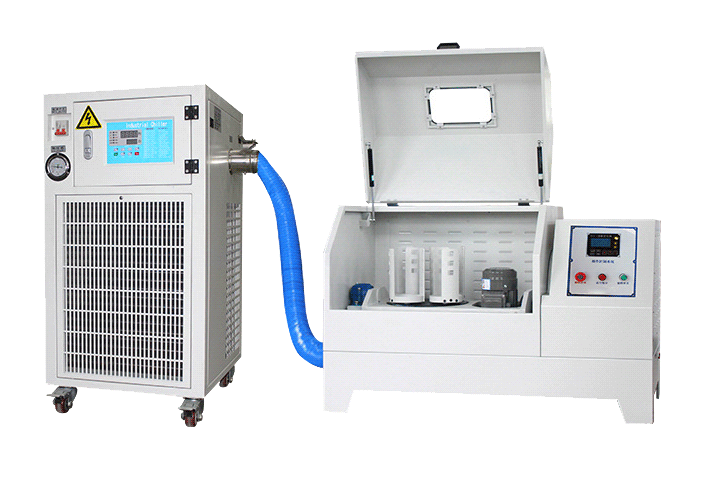
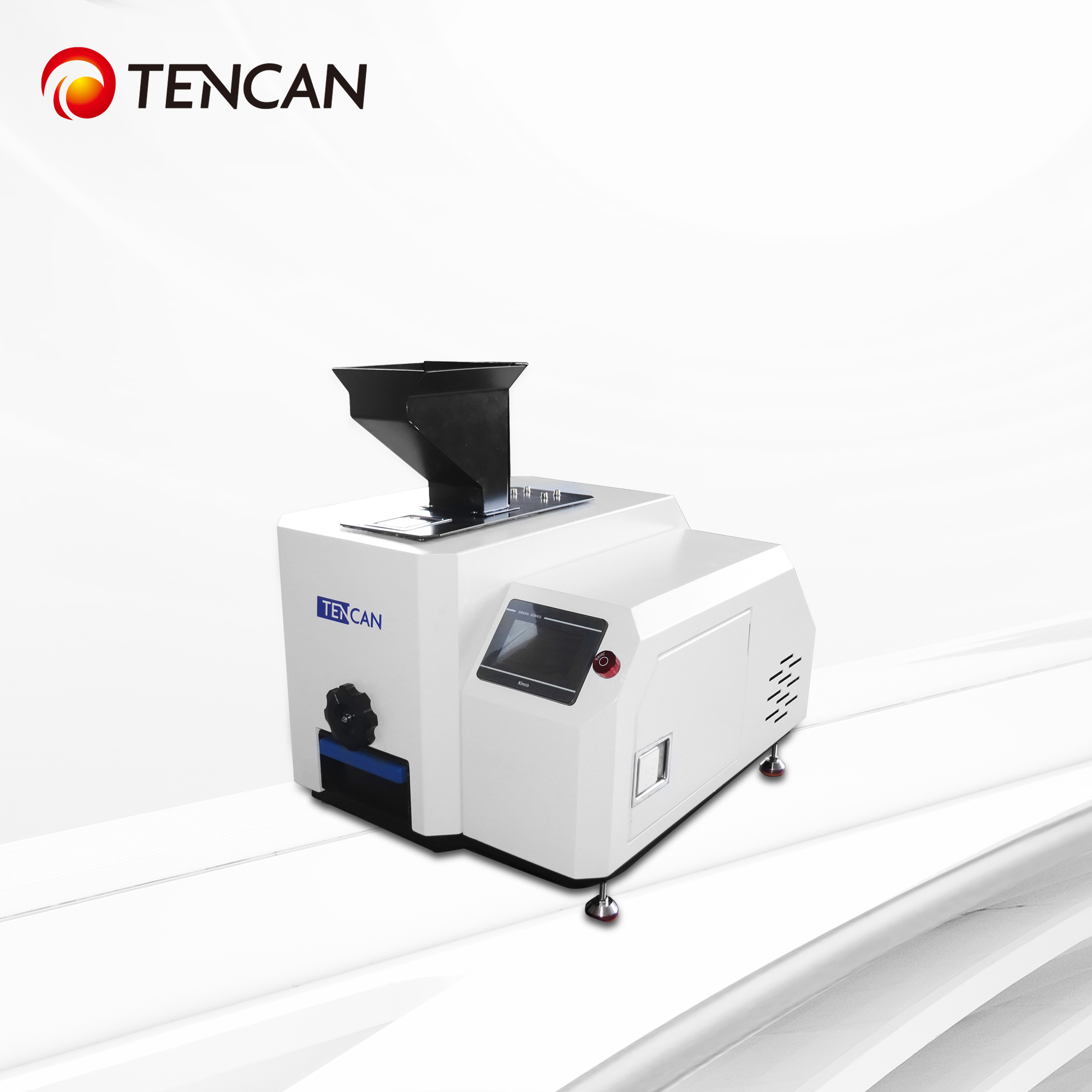
At Changsha Tianchuang Powder Technology Co., Ltd. (TENCAN) , we understand that grinding media are the heart of every milling process. Our comprehensive range of laboratory and industrial ball mills, planetary mills, and grinding jars is complemented by expert guidance on media selection for your specific applications. Whether you require high-purity zirconia for battery materials research or durable steel for mineral processing, our team can help you achieve optimal results.
For more information on selecting the ideal grinding media for your milling applications, or to discuss your powder processing requirements with our engineering team, please contact TENCAN today. Our experienced professionals are ready to assist with your unique powder technology needs.


-拷贝-scaled.png)