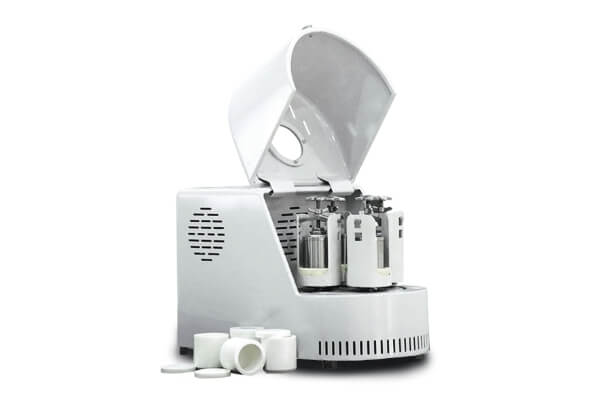
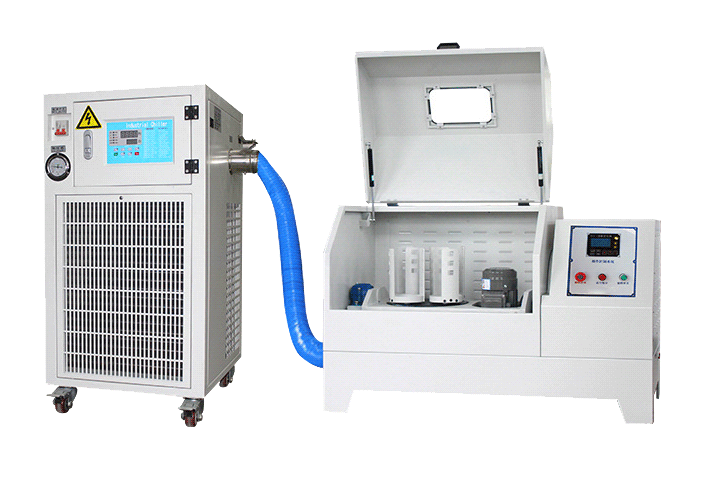
Introduction: Why Ratio Matters
Every planetary ball mill user asks the same question: How many balls should I use?
The answer determines everything. Too few balls means slow grinding and wasted time. Too many balls creates excessive heat, wears out components faster, and can even contaminate your sample.
The ball-to-powder ratio is the most important parameter you control. Get it right and your mill performs efficiently. Get it wrong and you fight inconsistent results.
This guide helps you find the right ratio for your work.
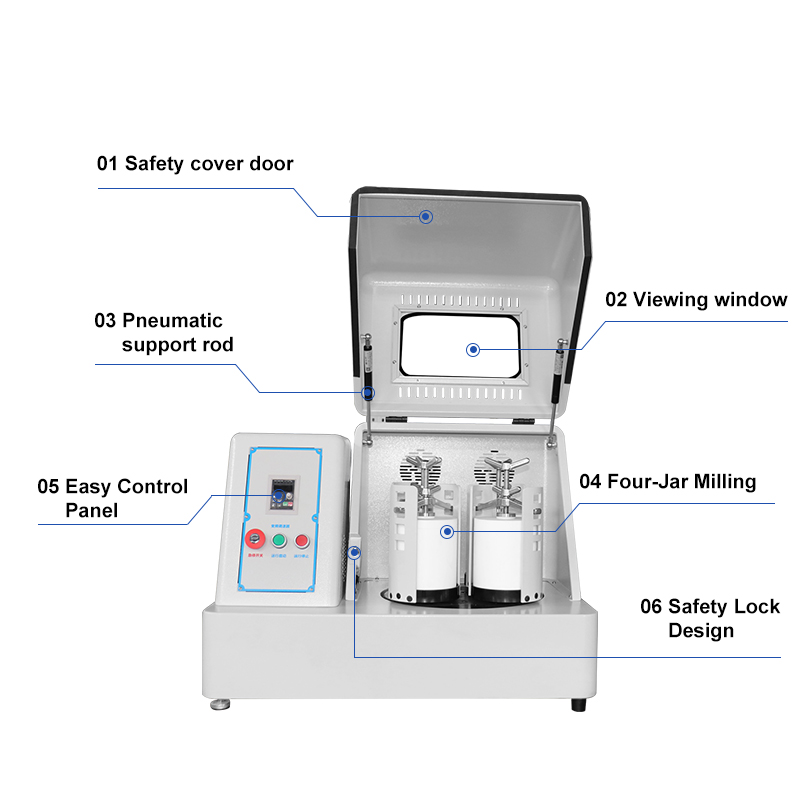
Vertical planetary ball mill
What Is Ball-to-Powder Ratio?
Ball-to-powder ratio compares the weight of grinding media to the weight of material you are grinding. If you put 100 grams of balls and 10 grams of powder, your ratio is 10:1.
Simple enough. But finding the right number takes some thought.
Starting Points for Common Applications
Every material behaves differently. But years of laboratory and production experience give us reliable starting points.
General Purpose Grinding
For most routine grinding applications, start with a ratio between 5:1 and 8:1. This works well for materials like minerals, ores, and common ceramics. You get good efficiency without excessive heat buildup.
Fine Grinding
When you need particles below 10 microns, increase your ratio to 8:1 or 10:1. More balls mean more impact events per minute. This speeds up the fine grinding process significantly.
Mechanical Alloying
Creating new alloys through mechanical means requires intense energy. Ratios of 10:1 to 20:1 are common. The high number of collisions welds and fractures particles repeatedly until they form homogeneous compositions.
Hard Materials
Grinding materials like tungsten carbide or silicon carbide demands more impact force. Start at 10:1 and adjust based on results. If grinding takes too long, increase the ratio.
Soft Materials
Soft materials like graphite or some polymers need gentler treatment. Lower ratios of 3:1 to 5:1 reduce impact energy and prevent damaging the material structure.
Factors That Influence Your Choice
Material Hardness
Harder materials resist fracture. They need more impact events to break down. Higher ratios provide those events.
Target Particle Size
Going finer requires more energy input. The smaller you need to go, the higher your ratio should be.
Jar Size
Small jars have limited space. You cannot simply add more balls without crowding. For 50ml to 250ml jars, stick to the lower end of recommended ranges. Larger jars accommodate higher ratios comfortably.
Material Sensitivity
Some materials degrade with heat or excessive impact. If your sample changes color, smells, or shows other signs of degradation, reduce your ratio and extend grinding time instead.
The Jar Fill Rule
The ball-to-powder ratio matters, but so does total volume. You need empty space for balls to move.
A properly loaded jar follows the 50-30-20 rule:
If your calculated ratio requires more balls than fit in the 30% space, you need larger jars or smaller batches.
How to Calculate Your Ratio
Step 1: Weigh your material. Start with a known quantity. For a 250ml jar, 50 grams is a reasonable starting point for many materials.
Step 2: Choose a target ratio. Based on your application, pick a starting ratio. For general grinding, try 6:1.
Step 3: Calculate ball weight. Multiply material weight by ratio. 50 grams × 6 = 300 grams of balls.
Step 4: Check jar capacity. Does 300 grams of balls plus 50 grams of powder leave enough empty space? If the jar seems crowded, reduce batch size or ratio.
Step 5: Run a test. Grind for a set time and check particle size. Adjust for next run based on results.
Signs Your Ratio Needs Adjustment
Grinding Takes Too Long
If your material is not reaching target size in reasonable time, increase the ratio. Add more balls to the next batch.
Excessive Heat
Hot jars after grinding indicate too much energy input. Reduce your ratio or add rest cycles between runs.
Material Caking
If powder sticks to jar walls or forms clumps, your ratio may be too high. Excess fines generated by over-milling can cause agglomeration.
Media Wear
Check your balls after several runs. Excessive dimpling or size reduction means they are working too hard. Lower the ratio or use harder media materials.
Contamination
If analysis shows unexpected elements, your balls may be wearing into the sample. Lower ratios reduce wear rates. Switching to harder media also helps.
Wet Grinding vs. Dry Grinding
Wet grinding changes the equation. Liquid carries away heat and helps disperse particles. You can often use higher ratios in wet grinding without overheating.
Start with the same ratios as dry grinding, then adjust based on results. Many users find they can increase ratios by 20-30% in wet applications.
Matching Media Size to Ratio
Ratio is not the only factor. Ball size matters too.
A 10:1 ratio with 10mm balls behaves differently than the same ratio with 20mm balls. Smaller balls create more contact points. Larger balls deliver more impact force.
For fine grinding, use smaller balls and standard ratios. For coarse materials, use larger balls and adjust ratios accordingly.
Common Mistakes to Avoid
Ignoring Jar Volume
A 10:1 ratio in a small jar may simply not fit. Calculate actual volumes, not just weights.
Using the Same Ratio for Everything
Different materials need different approaches. Adjust based on what you are grinding.
Forgetting About Media Density
Steel balls weigh more than ceramic balls. A 10:1 ratio by weight with steel occupies less volume than the same ratio with zirconia. Consider both weight and volume.
Not Documenting Results
Keep records of what ratios worked for each material. This saves time on future runs.
Practical Guidelines by Jar Size
50ml jars: Maximum 100-150 grams of media. Keep ratios at 5:1 to 8:1.
100ml jars: 200-300 grams of media works well. Ratios of 6:1 to 10:1 are practical.
250ml jars: 400-600 grams of media. This accommodates ratios up to 12:1 comfortably.
500ml jars: 800-1200 grams of media. Higher ratios are possible with proper jar loading.
Conclusion
The right ball-to-powder ratio makes the difference between efficient grinding and wasted time. Start with recommended ranges, then adjust based on your specific materials and goals.
Remember the basics:
-
Higher ratios for harder materials and finer targets
-
Lower ratios for soft or sensitive materials
-
Always leave room for balls to move
-
Document what works for future reference
At TENCAN, we help customers optimize their grinding processes every day. Contact our technical team with questions about your specific application. We will help you find the right settings for consistent, efficient results.


4-拷贝-scaled.png)