Introduction: The Foundation of Reliable Sample Preparation
In any laboratory performing materials analysis—whether for mining exploration, quality control, or advanced materials research—the quality of the final analytical result is directly dependent on the quality of the sample preparation process. A representative sample must be reduced to a fine, homogeneous powder without introducing contamination or altering the material’s composition. The laboratory jaw crusher stands as the first and most critical step in this size reduction chain, transforming large, irregular chunks of brittle material into manageable particles ready for further grinding or analysis.
Unlike larger industrial crushers designed for high-volume production, laboratory jaw crushers are engineered for precision, cleanliness, and versatility. They must handle a wide range of materials—from soft limestone to hard tungsten carbide—while allowing easy cleaning between samples and providing adjustable output sizes to suit different analytical requirements. The EP series experimental jaw crusher exemplifies this laboratory-focused design philosophy, offering features specifically tailored to the needs of research institutions and quality control facilities.
This comprehensive guide explores the technology behind laboratory jaw crushers, their working principles, key selection criteria, and the diverse applications they serve across modern science and industry.
What is a Laboratory Jaw Crusher?
A laboratory jaw crusher is a compact, bench-top size reduction machine designed to crush brittle materials such as ores, rocks, minerals, and ceramics from feed sizes typically up to 30-50 mm down to output sizes adjustable between 1-10 mm. It operates on the proven principle of mechanical pressure, using two opposing jaw plates—one fixed and one movable—to compress and fracture the material.
Fundamental Operating Principle
The laboratory jaw crusher’s crushing action is described as curved extrusion crushing in technical literature. The main components include:
-
Fixed Jaw Plate: Stationary crushing surface mounted rigidly to the crusher frame
-
Movable Jaw Plate: Moving crushing surface attached to a pitman mechanism
-
Eccentric Shaft: Converts rotary motor motion into the reciprocating movement of the movable jaw
-
Toggle Plate: Transmits power and acts as a safety device to protect the crusher from uncrushable materials
-
Adjustment Mechanism: Allows precise setting of the discharge gap to control output particle size
The operating cycle follows a simple but effective sequence:
-
Power Transmission: The electric motor drives a belt and pulley system connected to an eccentric shaft.
-
Upward Stroke: As the eccentric shaft rotates, it lifts the movable jaw upward. The angle between the toggle plate and the movable jaw increases, forcing the movable jaw plate closer to the fixed jaw plate. During this phase, materials in the crushing chamber are subjected to intense compression, rubbing, and grinding forces.
-
Downward Stroke: When the eccentric shaft continues its rotation, the movable jaw moves downward. The angle between the toggle plate and the movable jaw decreases, allowing the movable jaw to move away from the fixed jaw. During this phase, the crushed material falls downward by gravity and is discharged through the adjustable outlet.
-
Continuous Cycle: With continuous motor rotation, the movable jaw performs periodic crushing and discharge cycles, enabling batch or continuous operation.
Key Design Elements for Laboratory Use
Why Laboratory Jaw Crushers Matter: Core Advantages
Representative Sample Preparation
The primary goal of any sample preparation process is to produce a representative analytical sample. Jaw crushers achieve this through:
-
Controlled Size Reduction: Particles are reduced progressively, minimizing the creation of extreme fines that could bias analytical results
-
Adjustable Output: The ability to set discharge gap allows matching final particle size to subsequent processing or analysis requirements
-
High Throughput: Laboratory models can process 50 kg/h or more, ensuring adequate sample volumes for representative analysis
Versatility Across Materials
Laboratory jaw crushers handle an exceptional range of materials:
Contamination Control Through Jaw Plate Selection
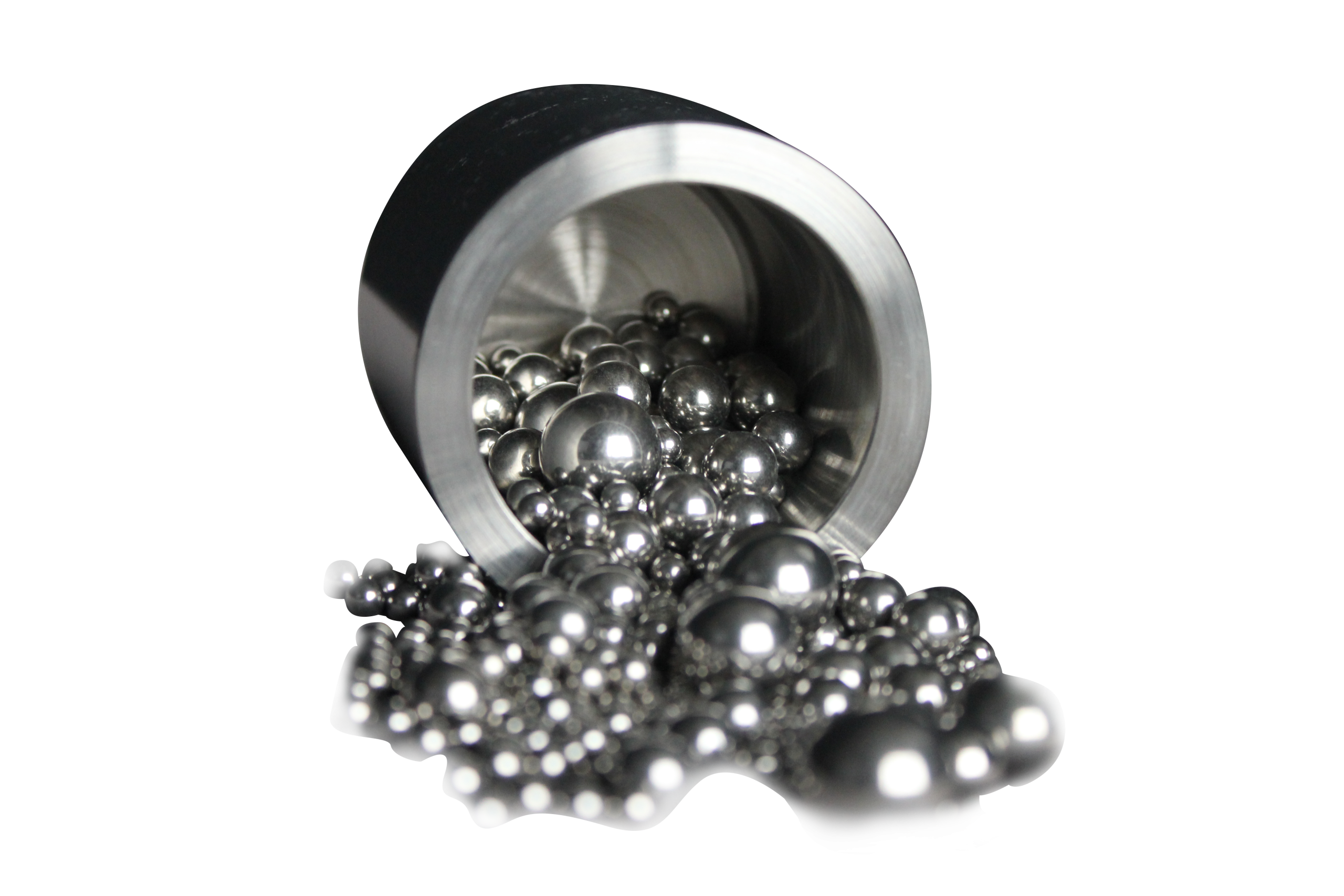
For analytical applications, contamination from the crushing surfaces is a critical concern. Laboratory jaw crushers address this through interchangeable jaw plates in different materials:
The availability of multiple jaw plate materials allows laboratories to match the crusher to their specific purity requirements. For trace element analysis where iron contamination cannot be tolerated, zirconia or tungsten carbide plates are essential.
Compact, Benchtop Design
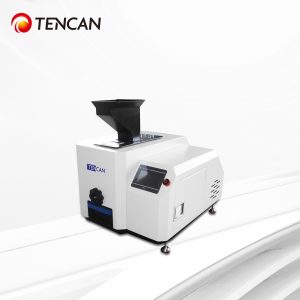
Laboratory jaw crushers are designed to fit comfortably on laboratory benches or mobile carts. The EP series, for example, measures approximately 690×510×590 mm and weighs about 105 kg, making it easy to position within existing laboratory layouts.
User-Friendly Operation
Modern laboratory crushers feature advanced controls that simplify operation:
-
Touchscreen Interface: Intuitive control of start/stop, speed, and monitoring
-
Variable Speed Control: Optimization of crushing speed for different materials
-
Safety Interlocks: Prevent operation with covers open
-
Easy Cleaning: Removable hopper, accessible crushing chamber, and collection drawer
Types & Comparisons: Jaw Crusher Configurations for Laboratory Use
Laboratory Jaw Crusher vs. Industrial Jaw Crusher
Single Toggle vs. Double Toggle Jaw Crushers
Most laboratory jaw crushers use the single toggle design, where the movable jaw is suspended from an eccentric shaft and supported by a single toggle plate at the bottom. This design offers:
Double toggle designs, more common in larger industrial crushers, provide a more powerful crushing stroke but are heavier and more complex.
Key Selection Parameters
How to Choose the Right Laboratory Jaw Crusher
Selecting the optimal laboratory jaw crusher requires systematic evaluation of your specific requirements.
Step 1: Characterize Your Feed Material
Understanding your material is essential for proper equipment selection:
-
Hardness: Harder materials (Mohs >7) require more robust construction and may benefit from tungsten carbide jaw plates
-
Abrasiveness: Highly abrasive materials accelerate wear; zirconia or tungsten carbide plates offer longer life
-
Brittleness: Very brittle materials may produce excessive fines; speed adjustment can help control this
-
Moisture Content: Wet or sticky materials may clog the crushing chamber; consider if pre-drying is necessary
-
Contamination Sensitivity: For trace analysis, select jaw plate material that minimizes contamination of elements of interest
Step 2: Define Feed and Output Size Requirements
-
Maximum Feed Size: Verify that the crusher’s feed opening can accept your largest particles. The EP series accepts ≤35 mm.
-
Required Output Size: Determine the target particle size for downstream processing or analysis. Adjustable output from 1-8 mm covers most laboratory requirements.
-
Desired Particle Size Distribution: Different materials and settings produce different distributions; testing with your material is recommended.
Step 3: Determine Throughput Requirements
Consider how many samples you process per day and their typical mass:
-
Low Volume (<10 kg/day): Most laboratory crushers easily meet this
-
Medium Volume (10-50 kg/day): EP series at 50 kg/h handles this comfortably
-
High Volume (>50 kg/day): Consider larger models or automation features
Step 4: Select Jaw Plate Material
Jaw plate selection is critical for contamination control:
Step 5: Evaluate Control and Safety Features
Modern laboratory crushers offer features that enhance usability:
-
Touchscreen Interface: Simplifies operation and monitoring
-
Variable Speed Control: Allows optimization for different materials
-
Safety Interlocks: Prevent operation when covers are open
-
Emergency Stop: Immediate shutdown capability
-
Noise Enclosure: Reduces operating noise for laboratory comfort
Step 6: Consider Cleaning and Maintenance
Laboratories processing multiple sample types require easy cleaning:
-
Removable Hopper and Collection Drawer: Facilitates thorough cleaning
-
Accessible Crushing Chamber: Should allow visual inspection and cleaning of all surfaces
-
Smooth Surfaces: Minimize areas where material can accumulate
-
Interchangeable Jaw Plates: Quick-change design minimizes downtime between materials
Step 7: Evaluate Manufacturer Support
The manufacturer’s expertise and support capabilities are important:
-
Application Testing: Can they test your material to confirm performance?
-
Jaw Plate Availability: Are replacement plates readily available in all materials?
-
Technical Support: Is responsive support available?
-
Spare Parts: Are common wear parts (jaw plates, toggle plates) stocked?
Industrial and Research Applications
Laboratory jaw crushers serve critical functions across diverse fields.
Mining and Exploration Geology
In mineral exploration, thousands of samples must be processed for geochemical analysis:
-
Rock Sample Preparation: Crushing drill core, outcrop, and float samples for assay
-
Grade Control: Preparing samples for ore grade determination
-
Mineral Processing Studies: Preparing feed for downstream grinding and beneficiation tests
Metallurgy and Materials Science
Metallurgical laboratories rely on jaw crushers for:
-
Slag Analysis: Preparing smelting and refining byproducts for composition analysis
-
Alloy Preparation: Crushing brittle alloys for further processing
-
Waste Material Characterization: Analyzing metallurgical wastes
Ceramics and Refractories
The ceramics industry uses jaw crushers for:
-
Raw Material Preparation: Crushing feldspar, quartz, kaolin, and other ceramic raw materials
-
Recycled Material Processing: Preparing scrap ceramic for reuse
-
Quality Control: Ensuring incoming raw materials meet specifications
Construction Materials and Cement
Construction materials testing requires representative samples:
-
Aggregate Testing: Preparing crushed stone, gravel, and sand for physical testing
-
Cement Clinker: Crushing clinker for chemical analysis
-
Concrete Recycling: Processing demolition materials for analysis
Chemical Industry
Chemical laboratories use jaw crushers for:
-
Catalyst Preparation: Crushing catalyst precursors
-
Fertilizer Analysis: Preparing fertilizer samples for composition testing
-
Pigment and Dye Processing: Reducing pigment agglomerates
Battery Materials and Energy Storage
The rapidly growing battery industry requires careful sample preparation:
-
Lithium Ores: Crushing spodumene and other lithium-bearing minerals for analysis
-
Electrode Materials: Preparing cathode and anode precursor materials
-
Recycling Research: Processing spent batteries for material recovery studies
Universities and Research Institutions
Academic laboratories use jaw crushers across multiple disciplines:
-
Teaching Laboratories: Demonstrating size reduction principles
-
Research Projects: Preparing materials for advanced characterization
-
Interdisciplinary Work: Serving multiple departments (geology, materials, chemistry)
Frequently Asked Questions (FAQ)
What is the difference between a laboratory jaw crusher and a laboratory ball mill?
A laboratory jaw crusher performs primary crushing of large particles (up to 30-50 mm) down to 1-10 mm using compressive forces. A laboratory ball mill performs fine grinding of particles already below 1-10 mm down to micron or nano-scale using impact and attrition. In a complete sample preparation workflow, the jaw crusher typically precedes the ball mill.
What materials can be processed in a laboratory jaw crusher?
Laboratory jaw crushers are designed for brittle, hard materials. Suitable materials include most rocks, ores, minerals, slags, ceramics, glass, and similar brittle substances. They are not suitable for ductile materials (metals, plastics) or fibrous materials that would deform rather than fracture.
How do I choose the right jaw plate material?
Select jaw plate material based on your contamination tolerance and material hardness:
-
High Manganese Steel: General purpose, routine samples where trace iron is acceptable
-
Zirconia: High-purity applications where metal contamination cannot be tolerated
-
Tungsten Carbide: Extremely hard materials and when minimal contamination is critical
What output particle size can I expect?
The EP series laboratory jaw crusher produces output sizes adjustable from 1-8 mm. The actual particle size distribution depends on material properties, feed size, and gap setting. For many materials, the majority of particles will be near the set gap size, but some fines are always produced.
How often do jaw plates need replacement?
Jaw plate life depends entirely on material abrasiveness and processing volume. For routine laboratory use processing typical rocks and ores, manganese steel plates may last for years. For highly abrasive materials (quartz, silicon carbide) or high-volume use, replacement may be more frequent. Zirconia and tungsten carbide plates generally offer longer wear life.
Can I process multiple different materials without cross-contamination?
Yes, with proper cleaning between materials. Laboratory jaw crushers are designed for easy cleaning:
-
Remove and clean the feed hopper
-
Open the crushing chamber and clean all surfaces
-
Remove, clean, and optionally replace jaw plates if changing to a material with different contamination sensitivity
-
Clean the collection drawer thoroughly
For critical applications, dedicated jaw plates for specific material types are recommended.
What safety precautions should I take when operating a jaw crusher?
Essential safety practices include:
-
Always operate with all safety covers in place
-
Never reach into the crushing chamber during operation
-
Use lockout/tagout procedures during cleaning or maintenance
-
Wear appropriate personal protective equipment (safety glasses, hearing protection, dust mask)
-
Ensure proper electrical grounding
-
Follow manufacturer’s operating instructions
How do I adjust the output particle size?
Output size is adjusted by changing the gap between the fixed and movable jaw plates at the bottom of the crushing chamber. The EP series features a gap adjustment dial that allows precise setting. Turning the adjustment mechanism moves the movable jaw closer to or farther from the fixed jaw, controlling the discharge opening.
Conclusion: The Essential First Step in Sample Preparation
The laboratory jaw crusher stands as the foundation of reliable sample preparation in countless scientific and industrial settings. By providing controlled, contamination-aware size reduction from centimeter-scale feed to millimeter-scale product, these versatile machines enable accurate analysis, consistent quality control, and reproducible research results across mining, metallurgy, ceramics, and advanced materials.
When selecting a laboratory jaw crusher for your facility, prioritize these key considerations:
-
Material Compatibility: Ensure the crusher can handle your hardest and most abrasive materials
-
Contamination Control: Select jaw plate materials that match your analytical requirements
-
Throughput and Particle Size: Verify that capacity and adjustability meet your workflow needs
-
Cleaning and Maintenance: Choose designs that facilitate easy cleaning between different materials
-
Manufacturer Support: Work with suppliers who understand laboratory requirements and provide responsive support
The EP series experimental jaw crusher exemplifies the features most valued in laboratory settings: compact design, adjustable output, multiple jaw plate options for contamination control, and user-friendly touchscreen operation. Its ability to process materials up to 35 mm feed size down to 1-8 mm product at rates up to 50 kg/h makes it suitable for a wide range of academic, research, and industrial quality control applications.
At Changsha Tianchuang Powder Technology Co., Ltd. (TENCAN) , our expertise in powder processing extends from primary crushing through fine grinding and classification. We understand that the quality of your final analytical results depends on every step of the sample preparation chain—beginning with the crusher. Our EP series laboratory jaw crushers are engineered to deliver reliable, contamination-controlled performance across the full spectrum of brittle materials.
For more information on selecting the ideal laboratory jaw crusher for your specific application, or to discuss your complete sample preparation requirements with our engineering team, please contact TENCAN today. Our experienced professionals are ready to assist with your unique powder technology needs.