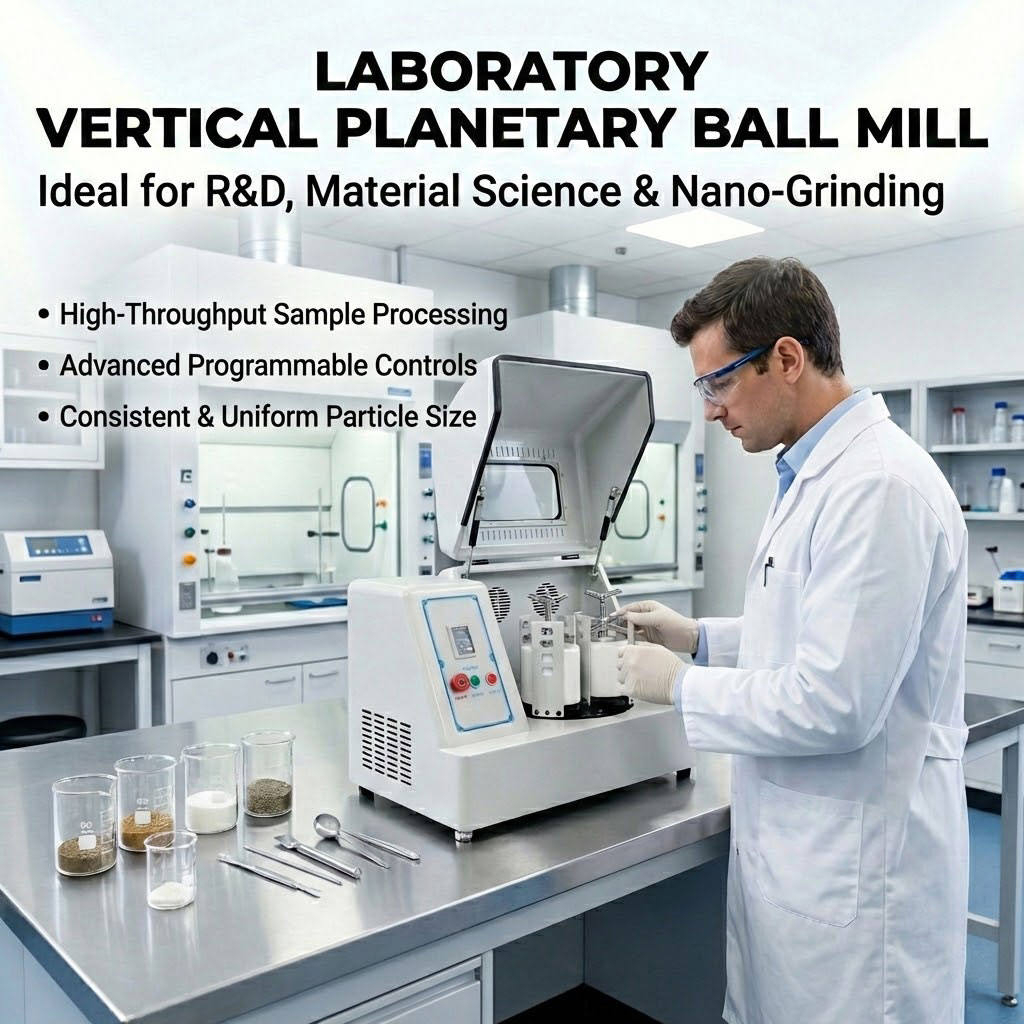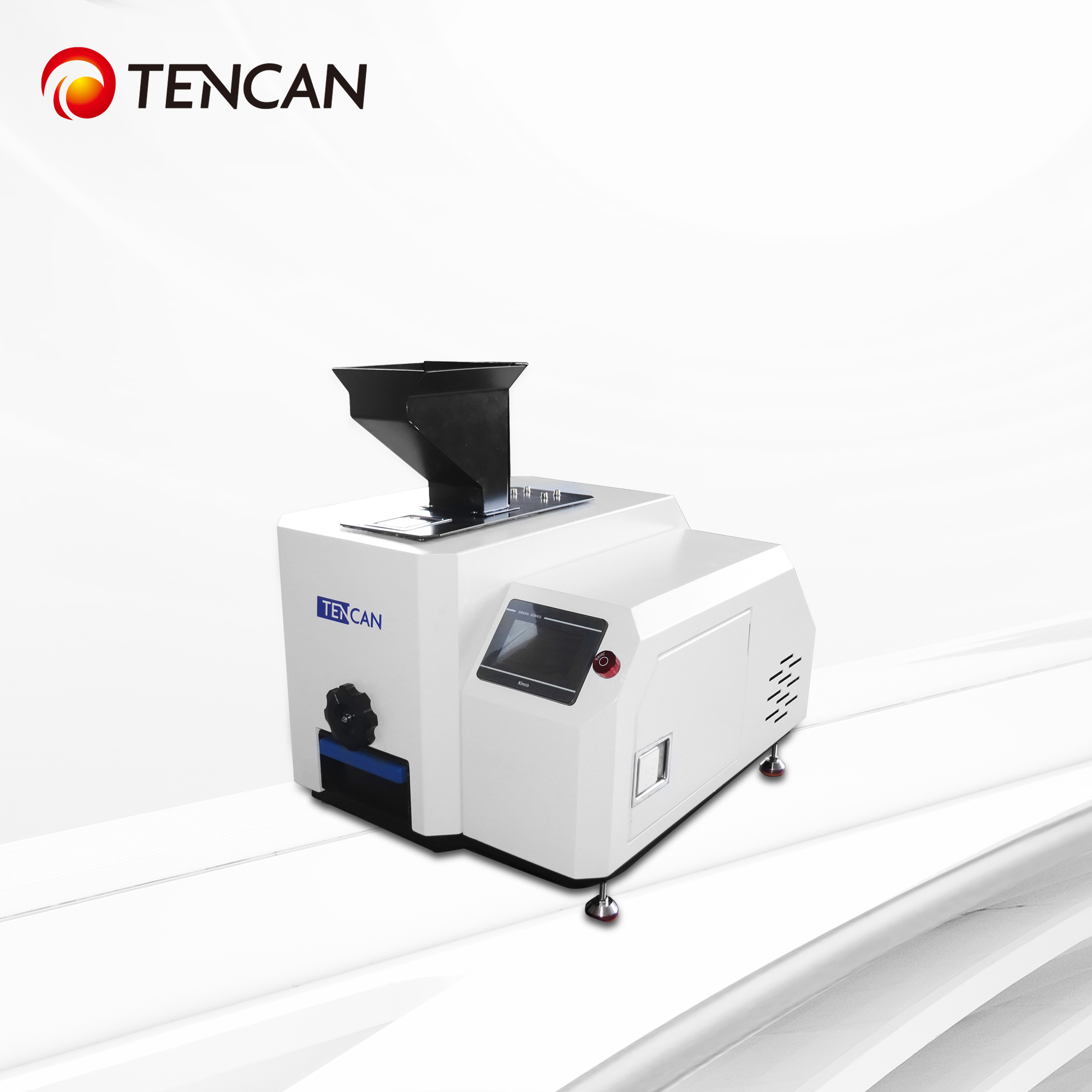

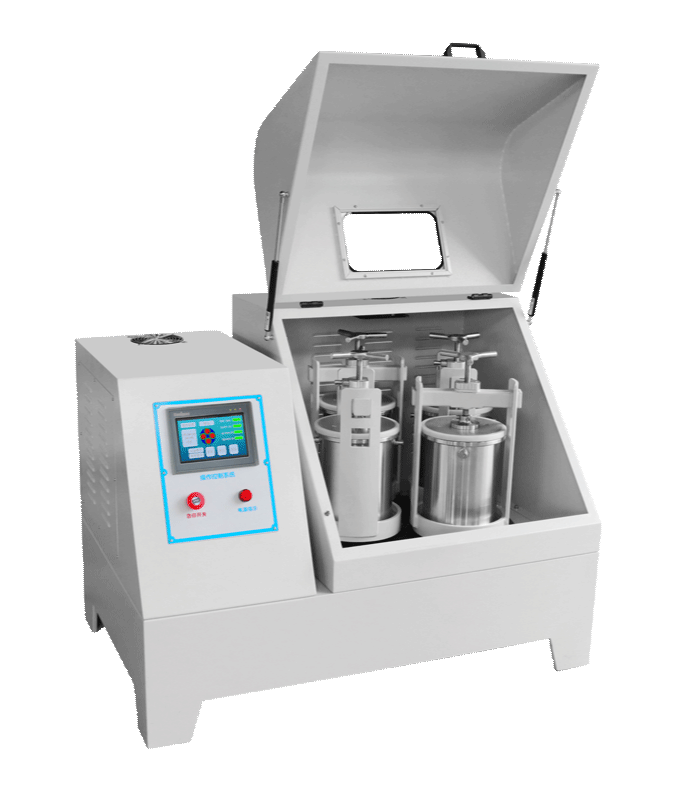
A microcomputer planetary ball mill is the most advanced laboratory grinding equipment available today, combining precision engineering with intelligent digital control. Unlike traditional ball mills, these systems feature a touch screen interface that allows researchers to program and monitor grinding parameters with unprecedented accuracy. The key advantage lies in the special drive gear technology, which reduces operating noise by 15‑20 dB compared to conventional gear designs while ensuring stable rotation speed for consistent and repeatable experimental results. At Changsha Tianchuang Powder Technology Co., Ltd. (TENCAN), our microcomputer planetary ball mills represent the culmination of years of engineering expertise, serving prestigious institutions such as Harvard University, Tsinghua University, and global enterprises like Foxconn and BYD with reliable, high‑performance grinding solutions.
A microcomputer planetary ball mill is a specialized grinding instrument designed for laboratory research and small‑batch production. It operates on the principle of planetary motion: the grinding jars rotate around their own axes while simultaneously revolving around a central axis, creating powerful centrifugal forces that achieve ultra‑fine grinding results.
Core Components:
Microcomputer Control System: A touch screen interface that enables precise programming of grinding time, rotation speed, and pause cycles.
Planetary Drive Mechanism: Special drive gears that ensure smooth, low‑noise operation and stable rotational speed.
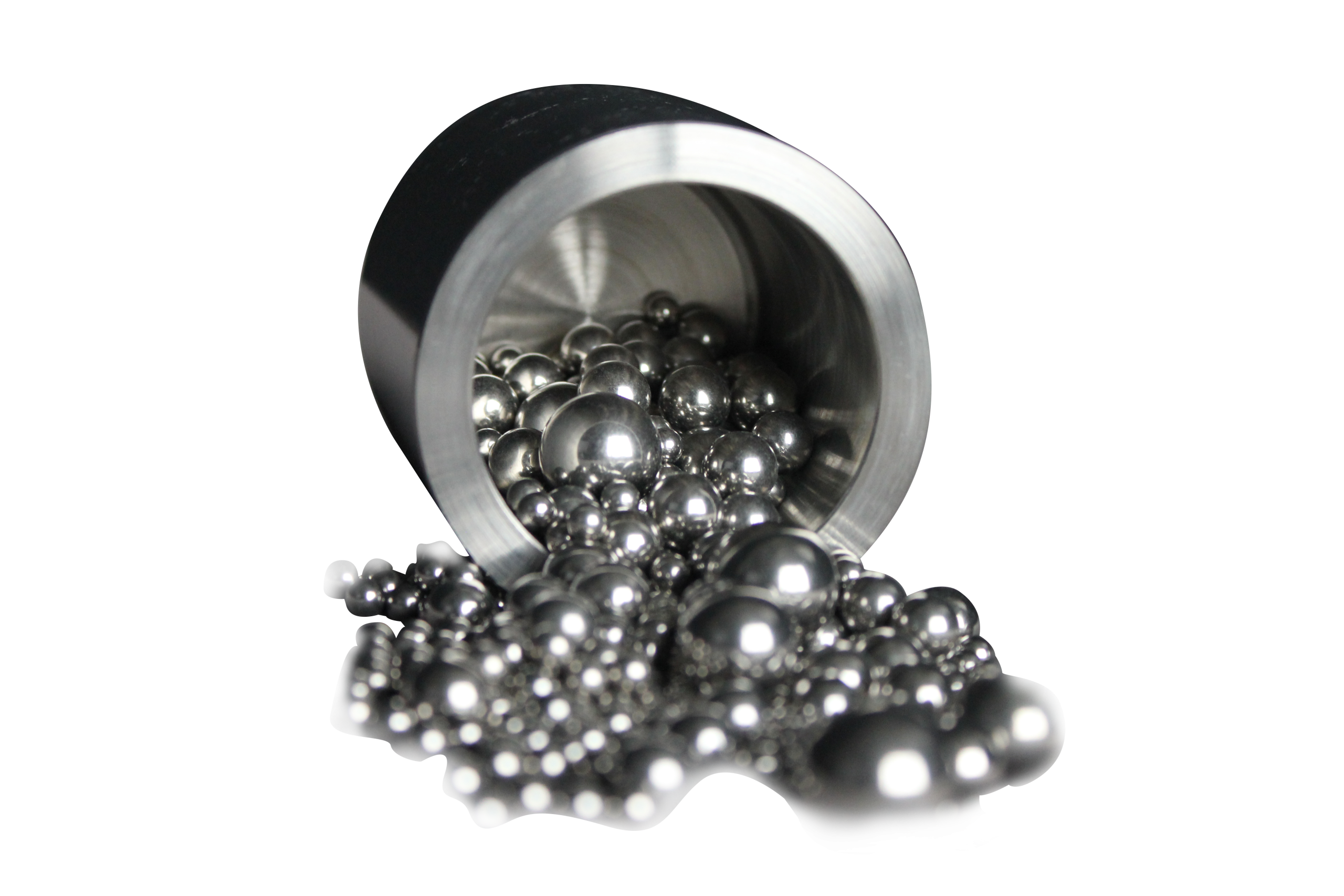
Grinding Jars: Multiple jars (typically four) that can accommodate different materials simultaneously for dry, wet, or vacuum grinding.
Safety Enclosure: Protective housing that contains noise and prevents operator exposure to moving parts.
Technical Parameters:
Rotation speed range: Typically adjustable from 50 to 600 rpm or higher
Grinding fineness: Can achieve particle sizes down to 0.1 μm
Number of stations: Usually 2 or 4 grinding positions
Jar capacity: From 50 ml to 500 ml per jar, with larger options available
TENCAN’s microcomputer planetary ball mills feature exquisite workmanship, with every component precisely manufactured to ensure long‑term reliability and consistent performance.
The integration of microcomputer technology into planetary ball mills represents a significant advancement over conventional models, offering tangible benefits for research and quality control laboratories.
Precision and Reproducibility: The touch screen interface allows researchers to store and recall grinding programs, ensuring that every batch is processed under identical conditions. This level of control is essential for pharmaceutical development, materials research, and quality assurance applications where consistency is paramount.
Operational Convenience: Human‑centered design places all controls within easy reach, and the intuitive touch screen eliminates the need for complex button combinations. Operators can set parameters, monitor progress, and receive alerts without interrupting workflow.
Noise Reduction: The special drive gear design reduces operating noise by 15‑20 dB compared to common gear systems. This improvement creates a more comfortable laboratory environment and allows the mill to be used in shared spaces without disturbing other activities.
Versatility: Microcomputer control enables sophisticated grinding protocols, including alternating directions, pause cycles for cooling, and variable speed profiles. These capabilities are particularly valuable for heat‑sensitive materials or when optimizing grinding efficiency.
Data Management: Advanced models can log operational data, enabling traceability and compliance with regulatory requirements in pharmaceutical and food industries.
TENCAN’s commitment to quality is reflected in ISO9001, CE, and SGS certifications, ensuring that every microcomputer planetary ball mill meets international standards for performance and safety.
TENCAN offers several configurations of planetary ball mills, each designed for specific applications. Understanding the differences helps researchers select the optimal system for their needs.
| Feature | Vertical Planetary Ball Mill | Horizontal Planetary Ball Mill | High Energy Dual Planetary Ball Mill | Full‑Directional Planetary Ball Mill |
|---|---|---|---|---|
| Design Characteristic | Square or round shape with vertical jar orientation | Horizontal cylinder design with jars mounted horizontally | Dual planetary mechanism for enhanced impact force | 360° rotary design that continuously changes jar orientation |
| Best Suited For | General laboratory grinding, material research, education | Processing materials that tend to sink or settle | Mechanochemistry, alloy synthesis, nano‑material production | Sticky materials, materials prone to stratification |
| Key Advantage | Fashionable 3D curve design, elegant appearance | Solves sinking problem of partial materials | Faster grinding, finer granularity | Eliminates material sticking and settling |
| Noise Level | 15‑20 dB lower than common gears | 15‑20 dB lower than common gears | Higher energy but optimized gear design | 15‑20 dB lower than common gears |
| Operation | Touch screen or button control | Touch screen or button control | Touch screen with advanced programming | Touch screen with full‑directional programming |
| Number of Jars | 4 jars standard | 4 jars standard | 4 jars standard | 4 jars standard |
| Grinding Modes | Dry, wet, vacuum | Dry, wet, vacuum | Dry, wet, vacuum | Dry, wet, vacuum |
Microcomputer Models Highlight:
All TENCAN microcomputer planetary ball mills feature:
Touch screen interface for easy parameter setting
Special low‑noise drive gears
Exquisite workmanship with precision manufacturing
Humanized design for convenient operation
Selecting the appropriate planetary ball mill requires careful consideration of your research objectives, material properties, and operational requirements. Follow this systematic approach to make an informed decision.
Determine Your Grinding Objectives
Target Particle Size: For routine grinding to micron levels, standard models suffice. For nano‑scale grinding or mechanochemical synthesis, consider the High Energy Dual Planetary Ball Mill.
Sample Throughput: Estimate daily or weekly sample volume. Four‑jar systems allow simultaneous processing of up to four different materials.
Material Characteristics: Hard, brittle materials require different impact forces than soft, fibrous samples.
Evaluate Material Properties
Hardness: Hard materials like ceramics, ores, and minerals benefit from high‑energy models with enhanced impact force.
Stickiness: Materials that tend to adhere to jar walls or settle at the bottom require the Full‑Directional Planetary Ball Mill with 360° rotation.
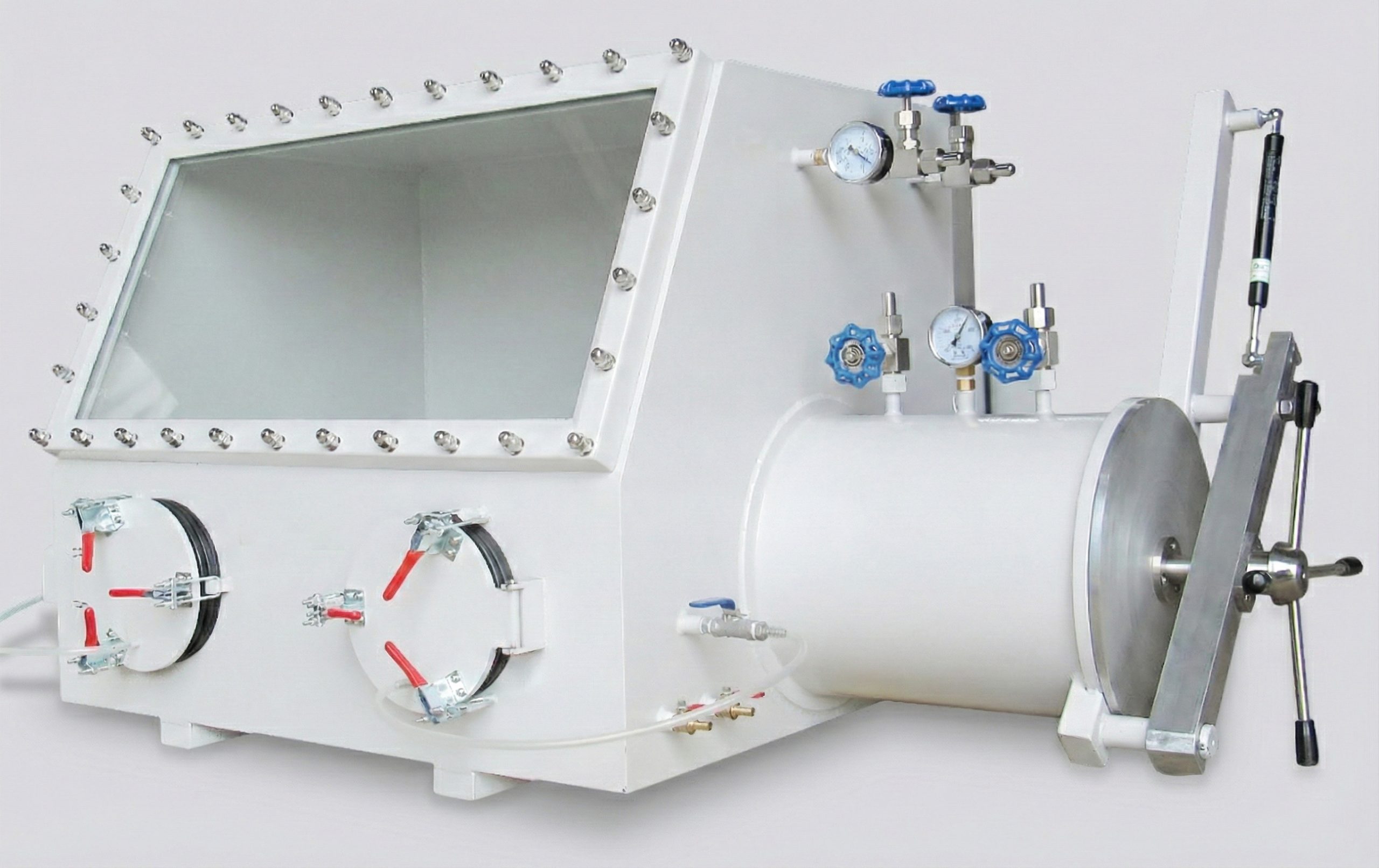
Moisture Sensitivity: For air‑sensitive materials, select a model compatible with vacuum grinding jars.
Consider Operational Factors
Laboratory Space: Vertical models have a smaller footprint, while horizontal models may require more bench space.
Noise Constraints: All TENCAN models feature low‑noise gears, but for extremely noise‑sensitive environments, additional soundproofing options are available.
Power Supply: Verify voltage requirements (110V or 220V) based on your laboratory’s electrical infrastructure.
Select Grinding Jar Materials
The choice of jar material significantly impacts grinding results and sample purity. TENCAN offers a comprehensive range:
Stainless Steel (304/316L): General purpose, good for most materials
Zirconia: Ultra‑low wear, ideal for high‑purity grinding
Corundum: Excellent wear resistance for ceramic materials
Agate: Natural material, perfect for trace analysis
Tungsten Carbide: For ultra‑hard materials
PTFE/Nylon: For temperature‑sensitive or corrosive samples
Match Grinding Media
Select grinding balls appropriate for your jar material and sample type. TENCAN provides balls in stainless steel, zirconia, alumina, agate, and tungsten carbide, with sizes from 1 mm to 30 mm.
Consider Future Needs
Expandability: Choose a model that can accommodate future applications, such as higher energy requirements or different jar sizes.
Software Updates: Ensure the microcomputer system can be updated to support new grinding protocols.
Service and Support: Verify that the manufacturer offers reliable after‑sales support, spare parts, and technical assistance.
Microcomputer planetary ball mills from TENCAN are deployed across a wide spectrum of industries, demonstrating their versatility and effectiveness.
Materials Science Research: Universities and research institutes use these mills for developing new materials, studying phase transformations, and synthesizing advanced composites. Institutions like Peking University and Tsinghua University rely on TENCAN equipment for groundbreaking research.
Battery Material Development: The lithium‑ion battery industry uses planetary ball mills to prepare cathode and anode materials, coat active particles, and study electrochemical properties. High‑energy models are essential for synthesizing next‑generation battery materials.
Pharmaceutical and Biomedical: Drug formulation, particle size reduction for bioavailability enhancement, and preparation of pharmaceutical excipients all benefit from the precise control offered by microcomputer mills.
Ceramics and Refractories: Grinding ceramic raw materials, developing new ceramic composites, and producing fine ceramic powders for advanced applications.
Metallurgy and Mining: Ore sample preparation, mineral analysis, and development of new alloy compositions through mechanical alloying.
Electronics Industry: Preparation of electronic ceramics, magnetic materials, and semiconductor compounds where purity and particle size uniformity are critical.
Nanotechnology: Producing nano‑scale particles, studying mechanochemical effects at the nanoscale, and developing nano‑composite materials.
The primary difference is the control interface and precision. Microcomputer models feature a touch screen that allows programmable operation, storage of grinding protocols, and real‑time monitoring. Conventional models use analog controls or basic digital displays with limited programming capabilities.
Depending on the material and grinding parameters, TENCAN planetary ball mills can achieve particle sizes down to 0.1 μm (100 nm) . For some materials, with extended grinding and appropriate media, even finer particles are possible.
Yes. Most TENCAN models feature four grinding stations that can operate independently. You can process up to four different materials at the same time, using different jar materials and grinding media as required.
Consider your sample’s hardness, abrasiveness, and purity requirements:
Zirconia: Best for high‑purity grinding with minimal contamination
Agate: Ideal for trace analysis where any contamination is unacceptable
Stainless Steel: General purpose, economical choice
Tungsten Carbide: For ultra‑hard materials
PTFE/Nylon: For temperature‑sensitive or corrosive samples
Regular maintenance includes cleaning the grinding jars and balls after each use, checking the drive belts for wear, ensuring the touch screen remains clean and responsive, and periodically inspecting the gear lubrication. TENCAN provides detailed maintenance schedules with each instrument.
Yes. TENCAN specializes in custom solutions to meet specific research requirements. Customizations can include modified jar capacities, specialized jar materials, additional safety features, and software adaptations for unique grinding protocols.
The microcomputer planetary ball mill represents the gold standard for laboratory grinding and materials research. With its touch screen precision, low‑noise operation, and versatile grinding capabilities, it empowers researchers to achieve consistent, reproducible results across a vast range of applications. From routine sample preparation to cutting‑edge nanotechnology research, TENCAN’s microcomputer planetary ball mills deliver the performance and reliability that leading institutions demand.
Changsha Tianchuang Powder Technology Co., Ltd. (TENCAN) combines decades of powder equipment expertise with a customer‑focused approach to engineering. Our ISO9001, CE, and SGS certified products are trusted by researchers worldwide, from Harvard to BYD, for their precision, durability, and value.
4-拷贝-scaled.png)