Introduction: The Gentle Workhorse of Material Processing
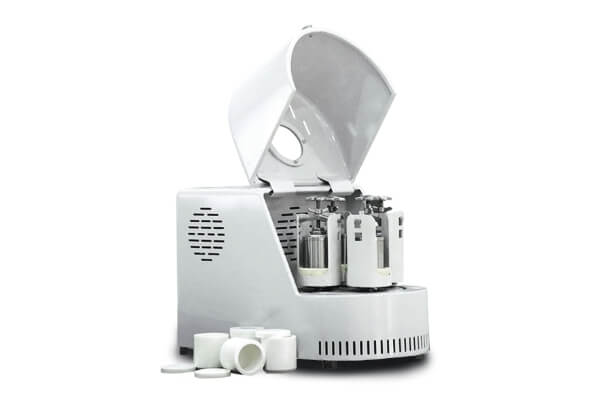
Laboratory roll ball mills occupy a unique position in the powder processing world. Unlike high-energy planetary mills that rely on intense impact forces, roll ball mills use a gentler tumbling action. This makes them ideal for materials that cannot tolerate heat buildup or need to maintain crystalline structure.
The selection process, however, can feel overwhelming. Different capacities, speed ranges, jar materials, and configurations all affect performance. This guide breaks down the decision process and shows how TENCAN’s QM Series addresses each consideration.
What Is a Laboratory Roll Ball Mill?
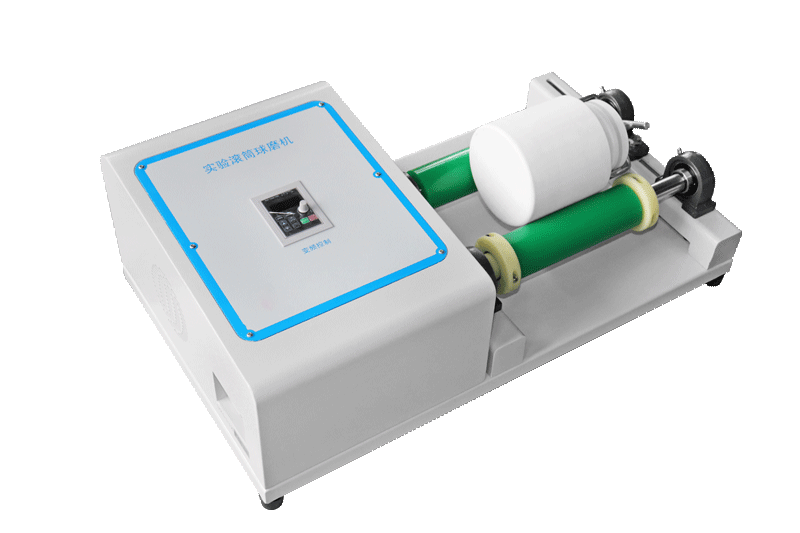
A laboratory roll ball mill consists of one or more parallel rotating rollers that drive cylindrical grinding jars. As the rollers turn, friction rotates the jars. Grinding media inside the jars tumble, cascade, and shear the material trapped between them.
This simple mechanism delivers several advantages:
-
Gentle grinding action with minimal heat generation
-
Excellent mixing capability
-
Versatility across jar materials and sizes
-
Simple operation and low maintenance
Key Selection Criteria
1. Throughput Requirements
Your sample volume determines the mill size you need. Consider both typical batch sizes and maximum expected volumes.
2. Number of Stations
Single-station mills work for occasional use. Multi-station mills process multiple samples simultaneously or run different materials in parallel.
3. Speed Range and Control
Different materials need different rotational speeds. Variable speed control lets you optimize for each application.
4. Jar Material Selection
Jar material determines contamination profile and wear resistance. Match the jar to your material’s sensitivity.
5. Wet vs. Dry Grinding
Some applications require liquid during grinding. Ensure your mill accommodates sealed jars for wet processing.
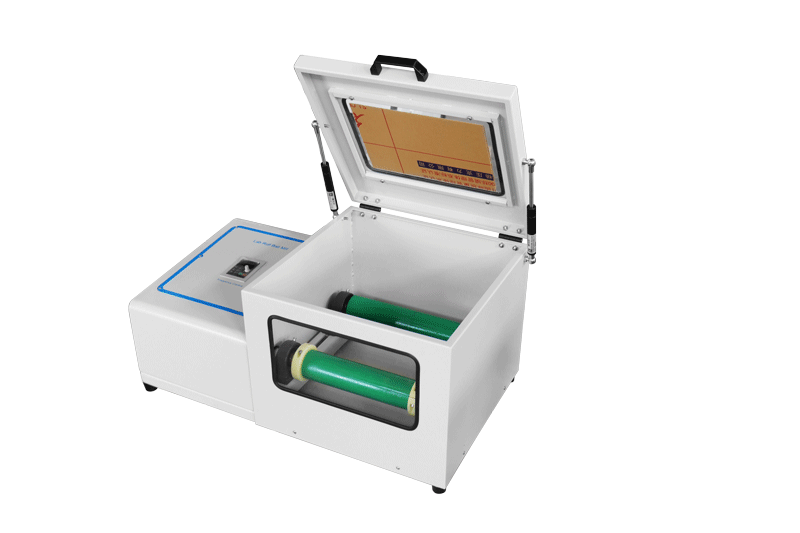
TENCAN QM Series: Complete Model Comparison
QM-5 Laboratory Roll Ball Mill
The QM-5 serves as the entry point for laboratories with modest throughput needs.
Ideal for: University teaching labs, occasional sample preparation, small-scale formulation development.
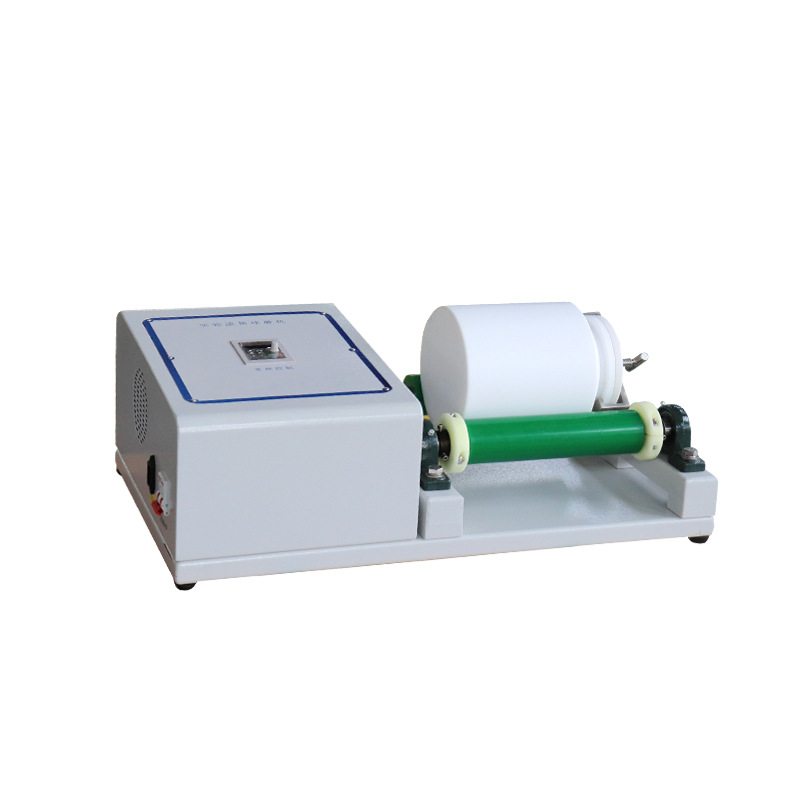
QM-15 Laboratory Roll Ball Mill
The QM-15 steps up capacity for routine laboratory work.
Ideal for: Quality control laboratories, regular sample preparation, medium-throughput research.
GQM Series Four-Station Jar Mills
The GQM series offers multi-station configurations for higher throughput.
GQM-4-5 (Single Layer)
GQM-4-15
GQM-4-20
GQM Series Eight-Station Jar Mills
For maximum throughput, the eight-station configurations process up to eight samples simultaneously.
GQM-8-5
GQM-8-15
GQM Series Two-Station Jar Mills
Two-station models offer focused processing for dedicated applications.
GQM-2-5
GQM-2-15
GQM-2-20
Special Configurations
Light Roll Ball Mill (Wet Grinding)
Optimized for wet grinding applications with sealed jars and enhanced bearing systems to handle liquid media.
Liner Roll Ball Mill
Features replaceable internal liners in various materials:
-
Polyurethane for low contamination
-
PTFE for chemical resistance
-
Corundum for wear resistance
Ideal for applications requiring frequent material changes or exceptional contamination control.
Application-Specific Recommendations
Ceramics and Glaze Preparation
Recommended: QM-15 or GQM-4 series with alumina or zirconia jars
Why: Ceramic applications require no metal contamination. Alumina and zirconia jars provide wear resistance without introducing impurities.
Battery Materials Research
Recommended: QM-5 with zirconia jars, or GQM-2 series for dedicated battery work
Why: Battery materials demand absolute purity. Zirconia jars eliminate metal contamination concerns.
Pharmaceutical Formulation
Recommended: QM-5 or QM-15 with nylon or polyurethane jars
Why: Pharmaceutical applications need good chemical resistance and easy cleaning. Nylon and PU meet these requirements.
Geological Sample Preparation
Recommended: GQM-4 series with agate jars for trace analysis
Why: Trace element analysis requires no contamination. Agate provides the highest purity for geological samples.
Quality Control Laboratories
Recommended: QM-15 for routine work, GQM-8 for high throughput
Why: QC labs need reliable, repeatable results with good throughput. The QM-15 offers simplicity, while GQM-8 handles volume.
Decision Flowchart
Step 1: Determine batch size
-
Under 1L per batch → QM-5
-
1L to 5L per batch → QM-15
-
Over 5L per batch → GQM series
Step 2: Choose station count
-
One sample at a time → Single station or GQM-2
-
Multiple samples, different materials → GQM-4
-
Maximum throughput → GQM-8
Step 3: Select jar material based on contamination requirements
-
General purpose → Stainless steel
-
No metal contamination → Zirconia or alumina
-
Trace analysis → Agate
-
Chemical resistance → PTFE or nylon
-
Temperature-sensitive → Polyurethane
Step 4: Verify speed range matches your materials
Common Questions
What is the difference between QM and GQM series?
QM series models are benchtop units designed for general laboratory use with smaller footprints. GQM series are floor-standing or larger bench units with higher capacity, multiple stations, and industrial-grade construction.
Can I use different jar sizes on the same mill?
Within limits, yes. Roller spacing adjusts to accommodate different jar diameters. However, all jars on the same set of rollers must have the same diameter for consistent rotation.
How do I clean jars between different materials?
Cleaning depends on jar material:
-
Stainless steel: Wash with appropriate solvent or detergent, rinse, dry
-
Ceramic: Clean with mild abrasive if needed, rinse thoroughly
-
Polyurethane: Use mild soap and water only, no organic solvents
-
Agate: Dilute acid if needed, rinse completely
What is the proper jar fill volume?
For efficient grinding, fill jars to approximately 30-50% with grinding media, 30-40% with material, leaving 20-30% empty space for movement.
How do I maintain my roll ball mill?
-
Daily: Wipe rollers and frame, check for unusual noise
-
Monthly: Inspect roller sleeves for wear
-
Quarterly: Lubricate bearings per manual
-
As needed: Replace worn roller sleeves
Conclusion: Matching Equipment to Application
Selecting the right laboratory roll ball mill comes down to matching equipment specifications to your specific requirements. Start with batch size and throughput needs. Then consider contamination sensitivity to choose appropriate jar materials. Finally, verify that speed range and control features match your materials.
TENCAN’s QM Series offers options at every level, from the compact QM-5 for occasional research use to the high-capacity GQM-8 for busy quality control laboratories. With multiple jar materials available for each model, you can configure a system that precisely matches your application.
Contact TENCAN’s engineering team to discuss your specific requirements. We will help you select the right configuration and jar materials for consistent, reliable results.


4-拷贝-scaled.png)